I design products and interfaces, build them full stack, edit the videos,
write the blogs, and wire up the AI automations that keep it all running.
One person, the whole pipeline, from Figma to production to publish.
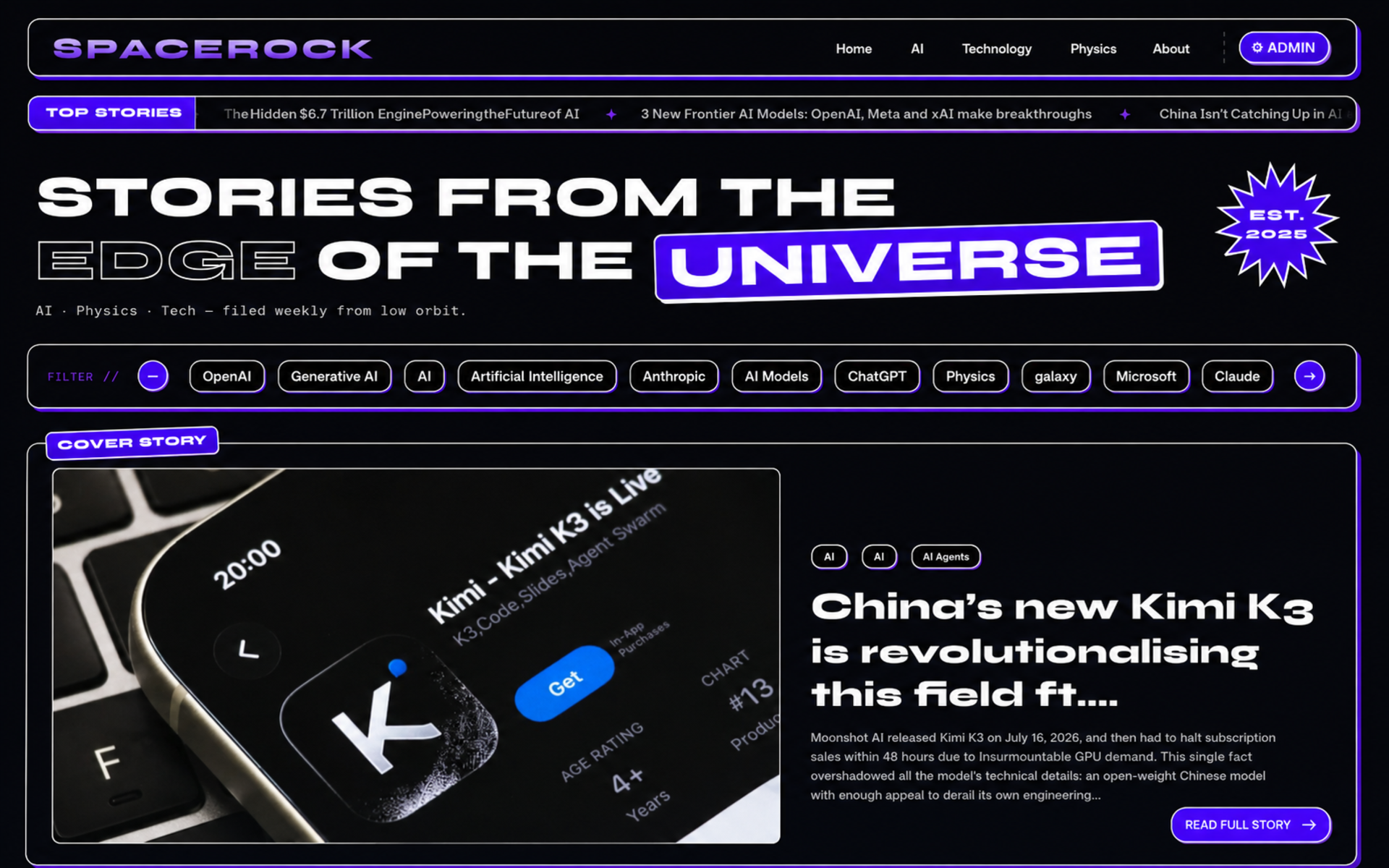
A dark neobrutalist tech and science publication I design, build, and write for.
The problem
Independent tech writing usually lands on templates that look like every other blog. SpaceRock needed a visual identity as opinionated as its editorial voice, without a team to maintain it.
What I did
I designed the identity and interface first, then built the React and Vite front end against a headless WordPress back end. Search, saved articles, and crawler-visible prerendering were all built in-house. An article-to-video pipeline turns posts into social clips.
Where it landed
A publication that ships on its own schedule, with a look that reads as a brand rather than a theme, and an automation layer that keeps the social output running without extra hands.
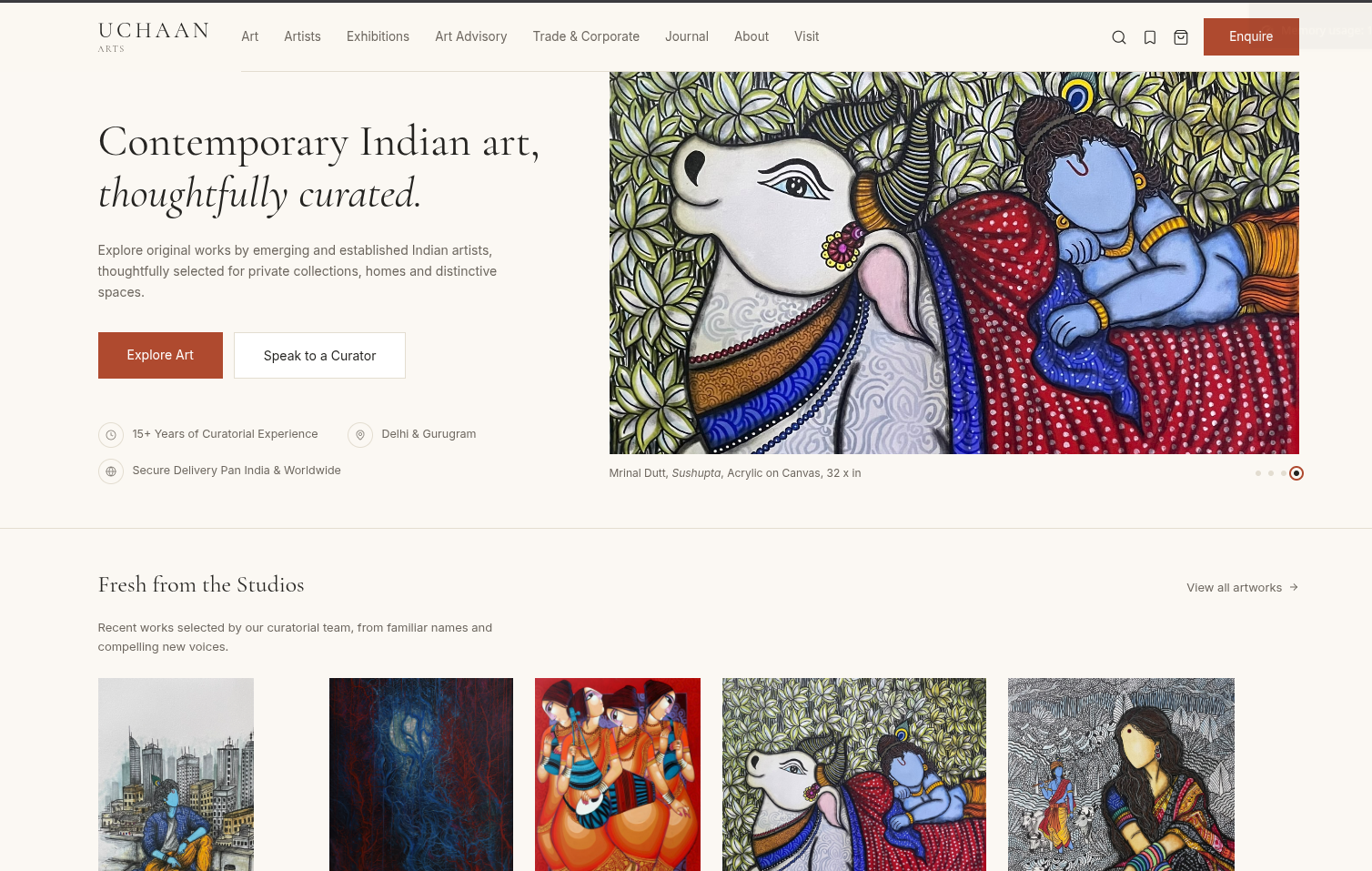
Full website redesign for a contemporary Indian art gallery.
The problem
The gallery's existing site buried the artwork under navigation and loaded slowly on the image-heavy pages that mattered most.
What I did
Rebuilt on Next.js 15 and React 19 with a CMS abstraction layer sitting over their existing backend, so the team kept their publishing workflow while the front end was replaced underneath them.
Where it landed
Artwork leads every page, the catalogue loads fast on mobile, and the gallery updates content without touching code.
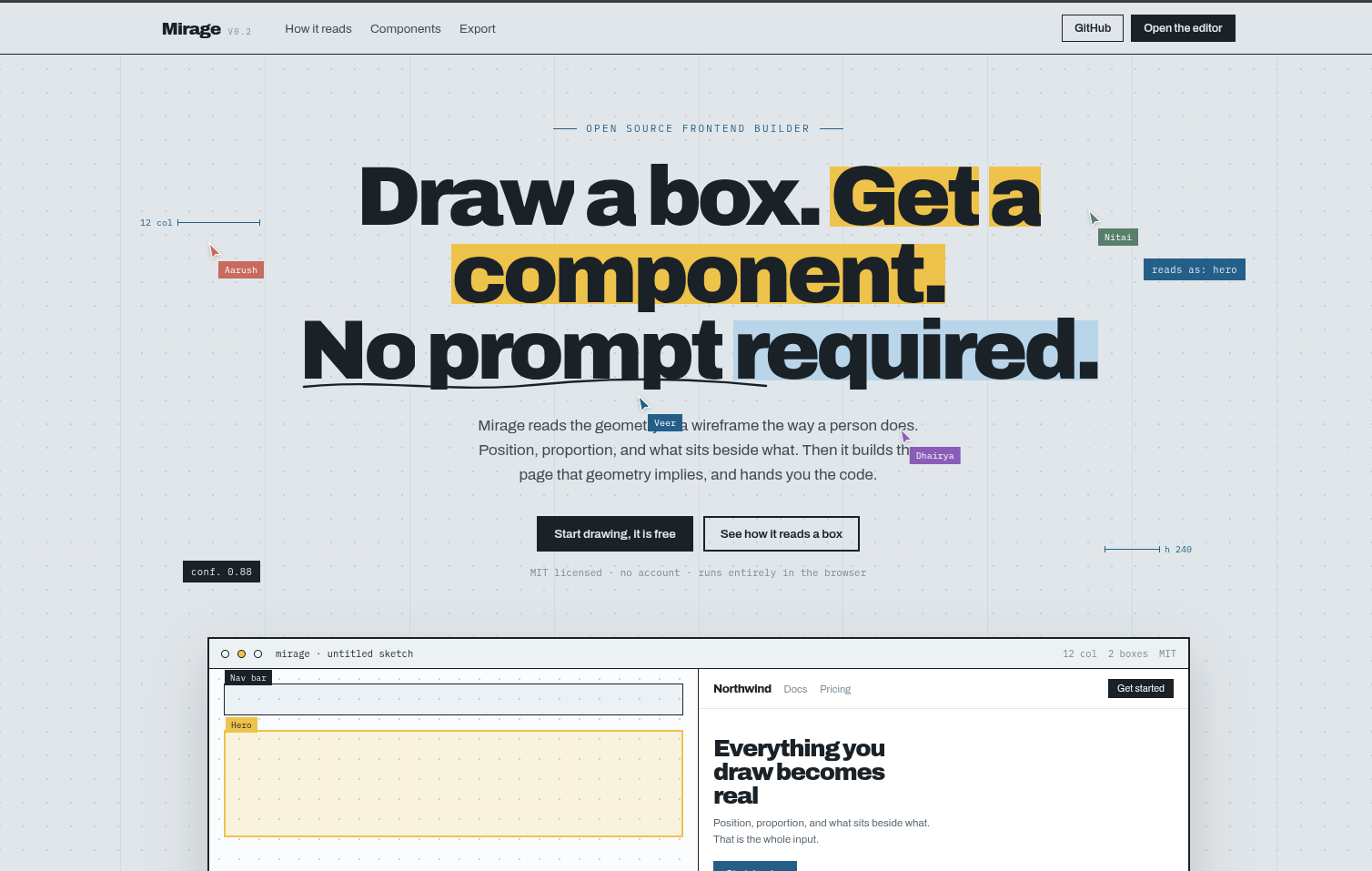
A sketch-to-layout frontend editor running entirely on internal JS logic.
The problem
Turning a rough wireframe into working markup is slow, and most tools either demand a full design file or hand back unusable code.
What I did
Built a canvas where you draw boxes, and a geometry classifier infers what each shape is meant to be. Output exports to HTML and CSS, React, Tailwind, or JSON, with a 34-theme preview system and IndexedDB persistence.
Where it landed
Sketch to exportable frontend in one pass, with no build step and no backend dependency.
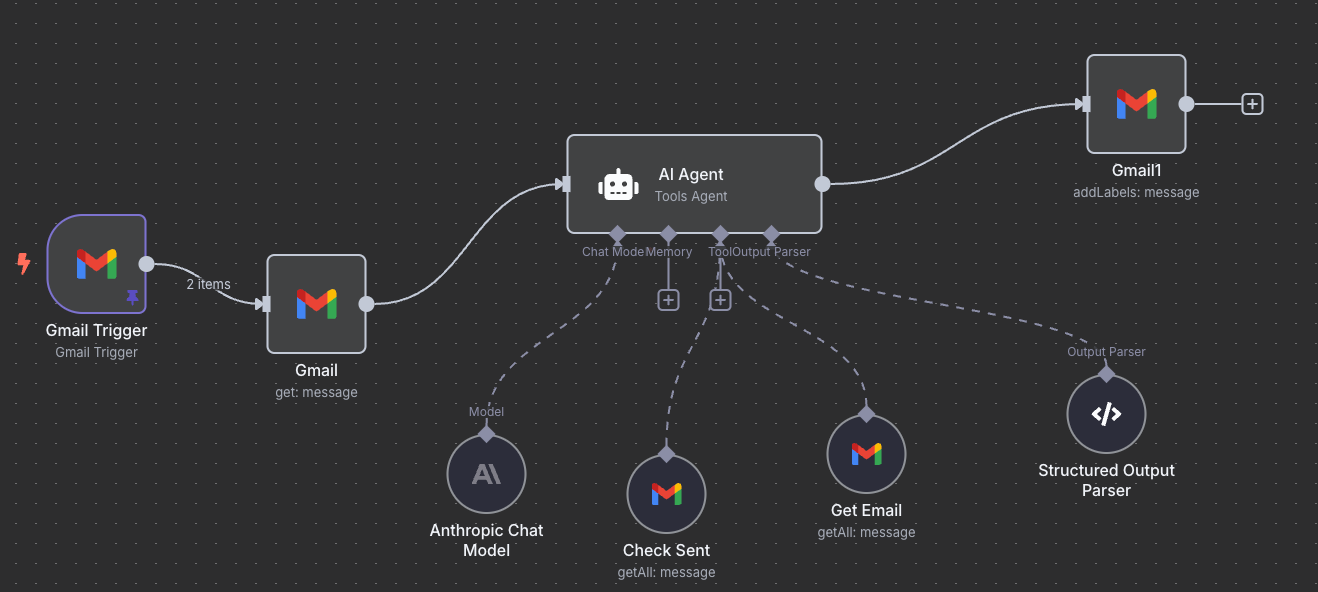
A self-hosted AI assistant built on n8n with persistent memory and a custom chat UI.
The problem
Hosted assistants can't reach private mail, notes, or internal tooling, and the useful ones charge per seat for the privilege.
What I did
Wired an n8n workflow on my own server around Gemini, with Postgres-backed memory, plus Gmail, web search, and HTTP fetch as tools. Designed a bespoke chat interface rather than living inside the n8n panel.
Where it landed
An assistant that reads my actual inbox, remembers across sessions, and costs nothing per message beyond the model calls.
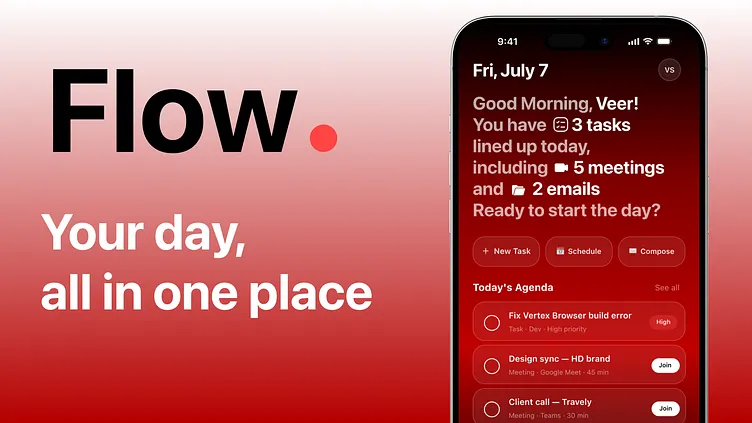
A productivity app with live Google Calendar, Gmail, and Notion integrations.
The problem
Task managers ask you to re-enter work that already exists in your calendar, inbox, and notes.
What I did
Designed the full multi-screen product in Figma, then built it in React with live MCP-style integrations so tasks are pulled from where they already live instead of typed twice.
Where it landed
One surface that reflects real commitments, built end to end from design file to running app.
Learn to collaborate with AI effectively, efficiently, ethically, and safely through Anthropic’s AI Fluency Framework, covering prompting, AI capabilities, and the 4D framework.
Learn to use Claude effectively for everyday work, from writing better prompts and organizing projects to creating with Artifacts, Skills, Connectors, and Research.
Learn to use Claude Code effectively in development workflows, from agentic coding and context management to project instructions, Skills, subagents, MCP, and Hooks.
 01
01